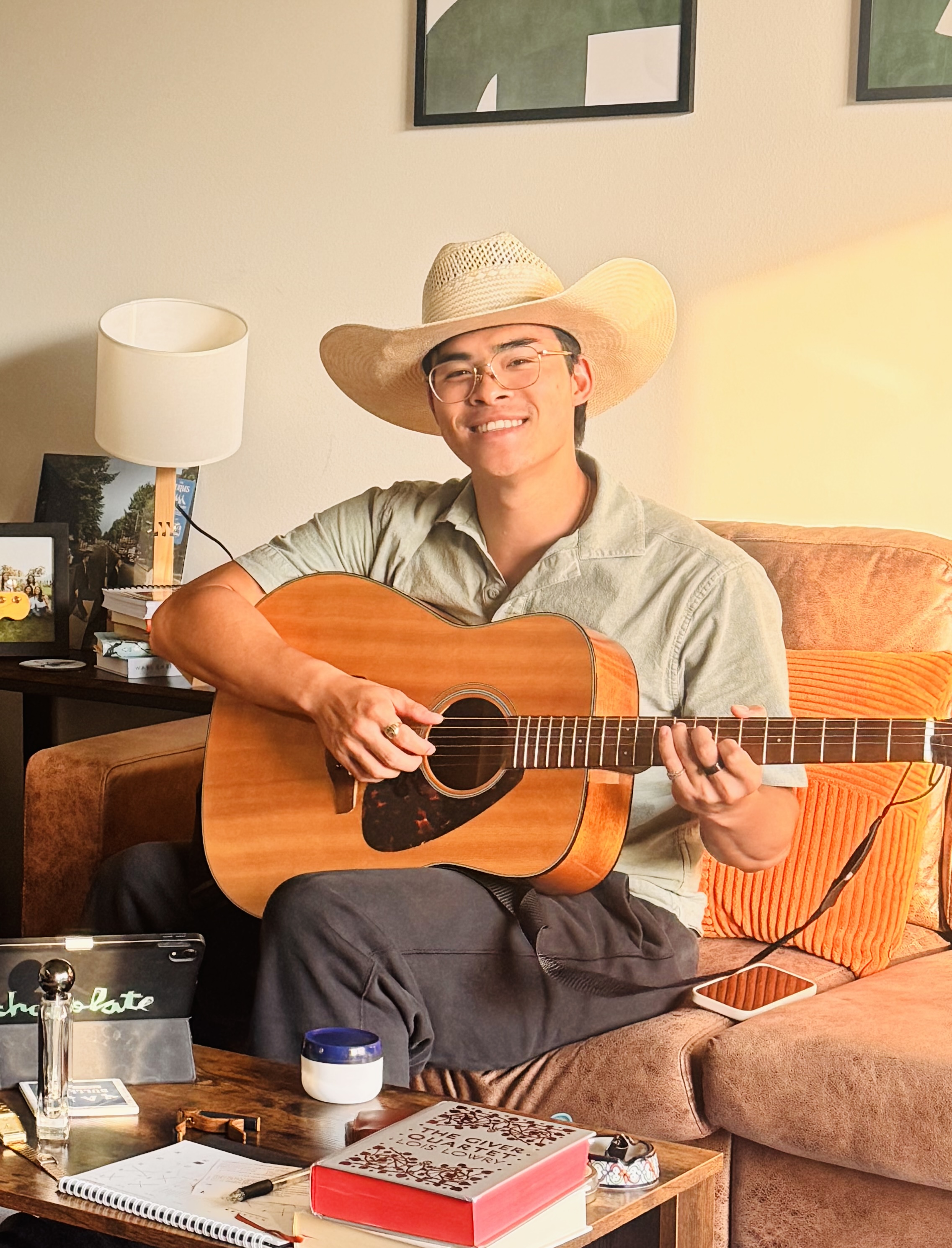
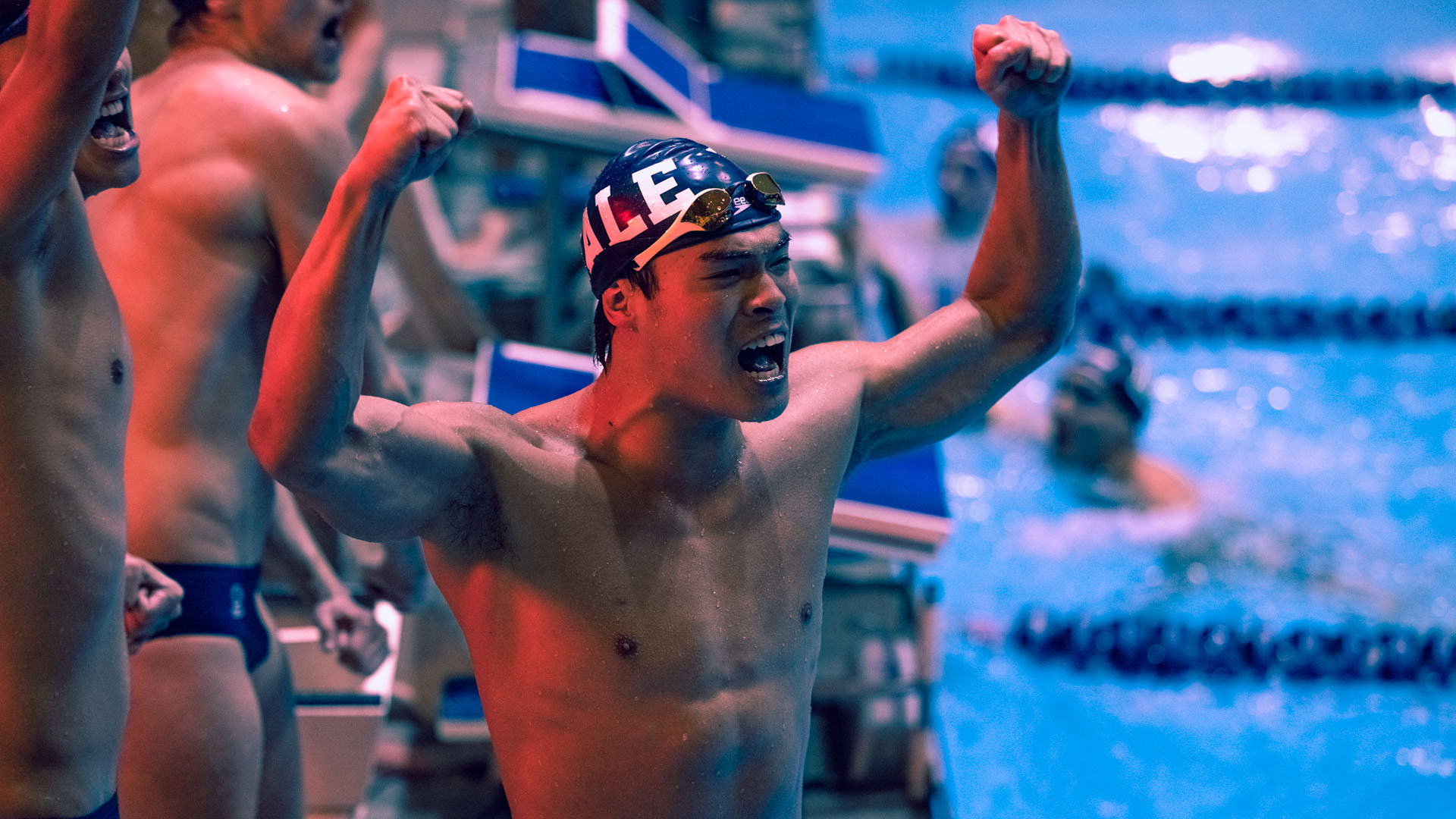
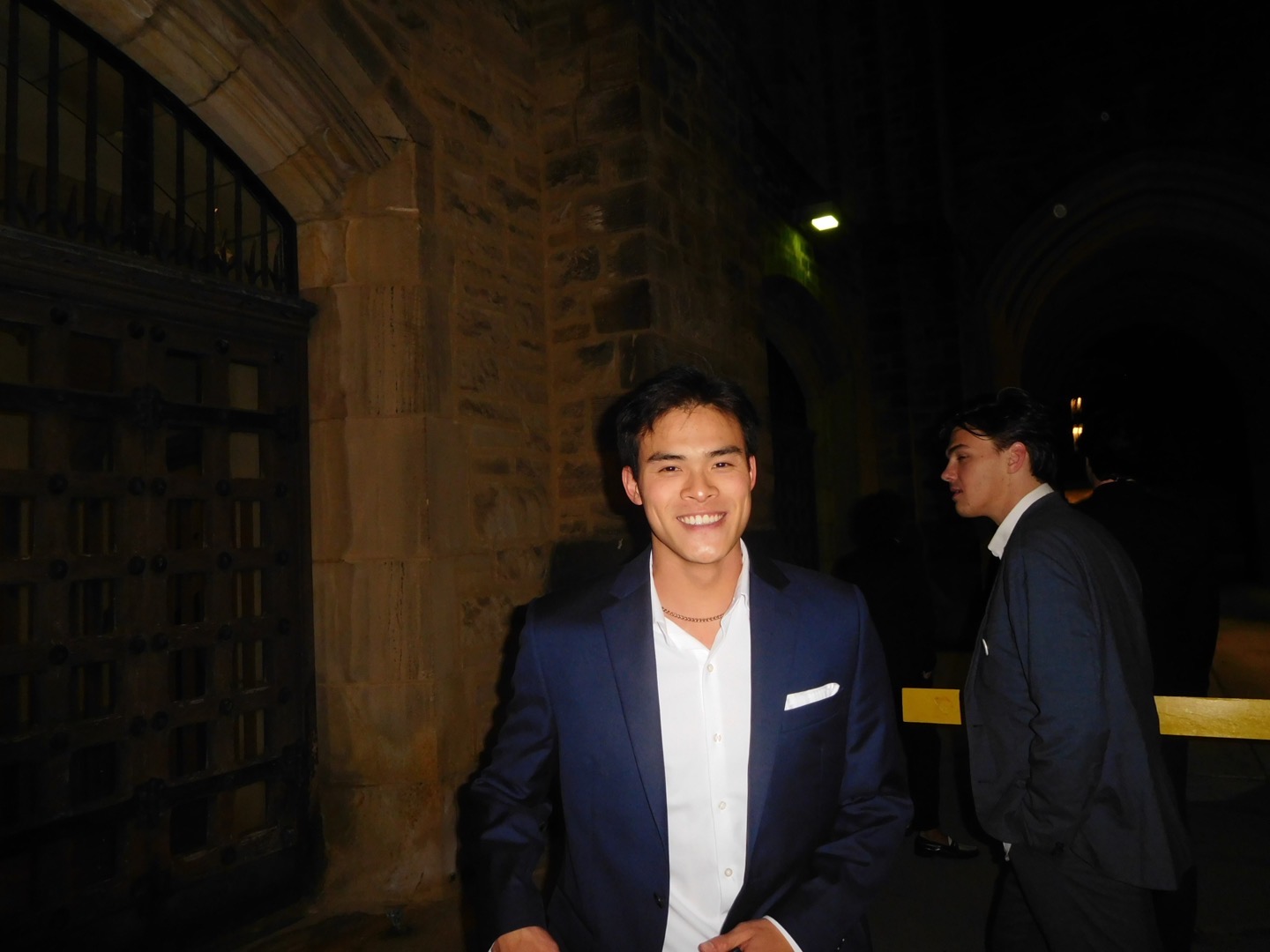
I am a Software Engineer, Interactive Designer, and a Maker. I build intuitive interfaces, mod vintage watches, craft things in the woodshop, and tinker with electronics. Whether digital or physical, I bring the same human-centered approach to everything I make.
Click for more about me.
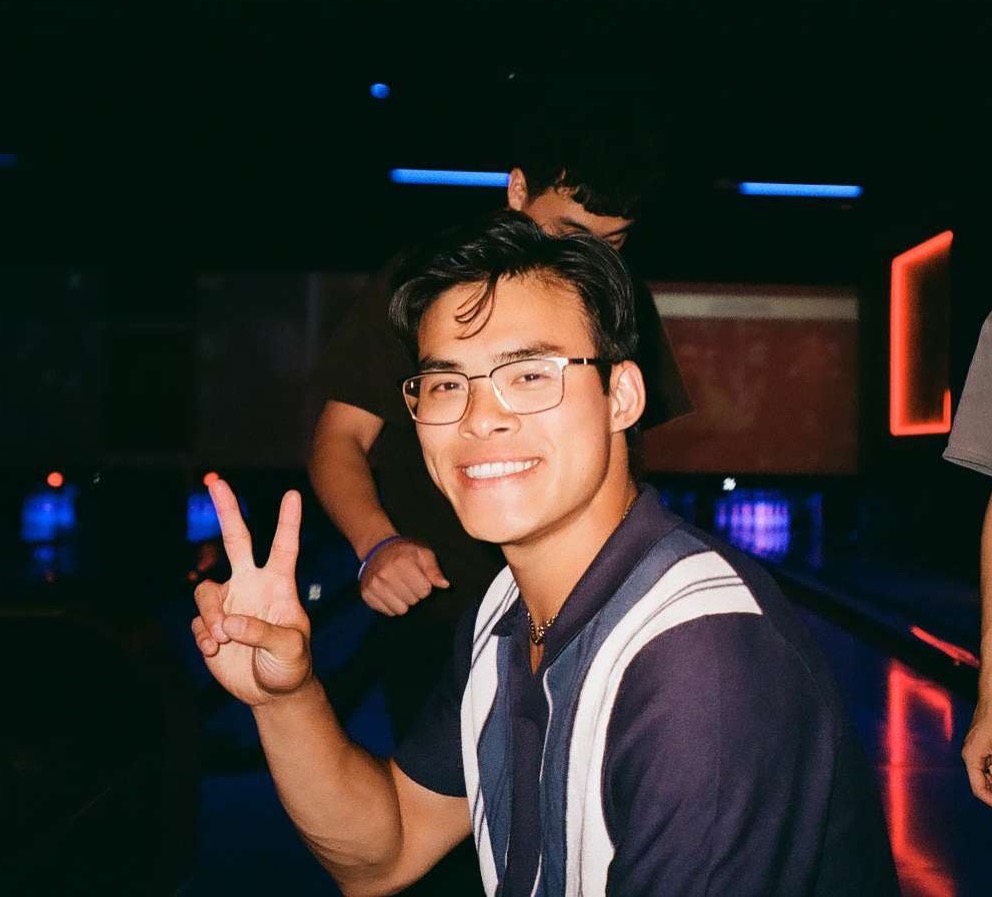
My journey began at Yale, where I studied cognitive science with a focus on human-computer interaction (HCI) and human-robot interaction (HRI). My Serendipity project—an intuitive body-tracking interface—showed me the power of thoughtful design and how interfaces could feel natural, approachable, and even delightful. That experience sparked my passion for bridging the gap between design and development, ensuring that what looks beautiful in Figma translates into seamless, functional experiences in code. I approach projects through a lens of research, prototyping, and iteration, applying HCI principles to guide users naturally through interfaces while prioritizing accessibility so no one is left behind.
Through software engineering internships at startups like TicTag in Singapore and Affinna in the US, I developed a foundation in best practices for robust development. I built responsive web pages, collaborated with backend engineers to populate website data and bring features to life, and learned the importance of sprint planning, Git workflows, API optimization, and thorough documentation. At TicTag, I improved client portal pages to help customers track their projects more easily, focusing on creating interfaces that reduced friction and enhanced usability.
Beyond my technical work with React, JavaScript, HTML, and CSS, I bring a problem-solving mindset shaped by real-world impact. As an Implementation Project Manager at Epic, I collaborated with hospital operations and IT teams to redesign endoscopy workflows, gathering data directly from doctors and OR nurses to identify pain points. Through iterative configuration and testing, we reduced documentation time by 30% at go-live. I thrive in collaborative environments where teams rally around a shared vision, and I'm driven by the belief that great software should help us live easier and more creative lives.

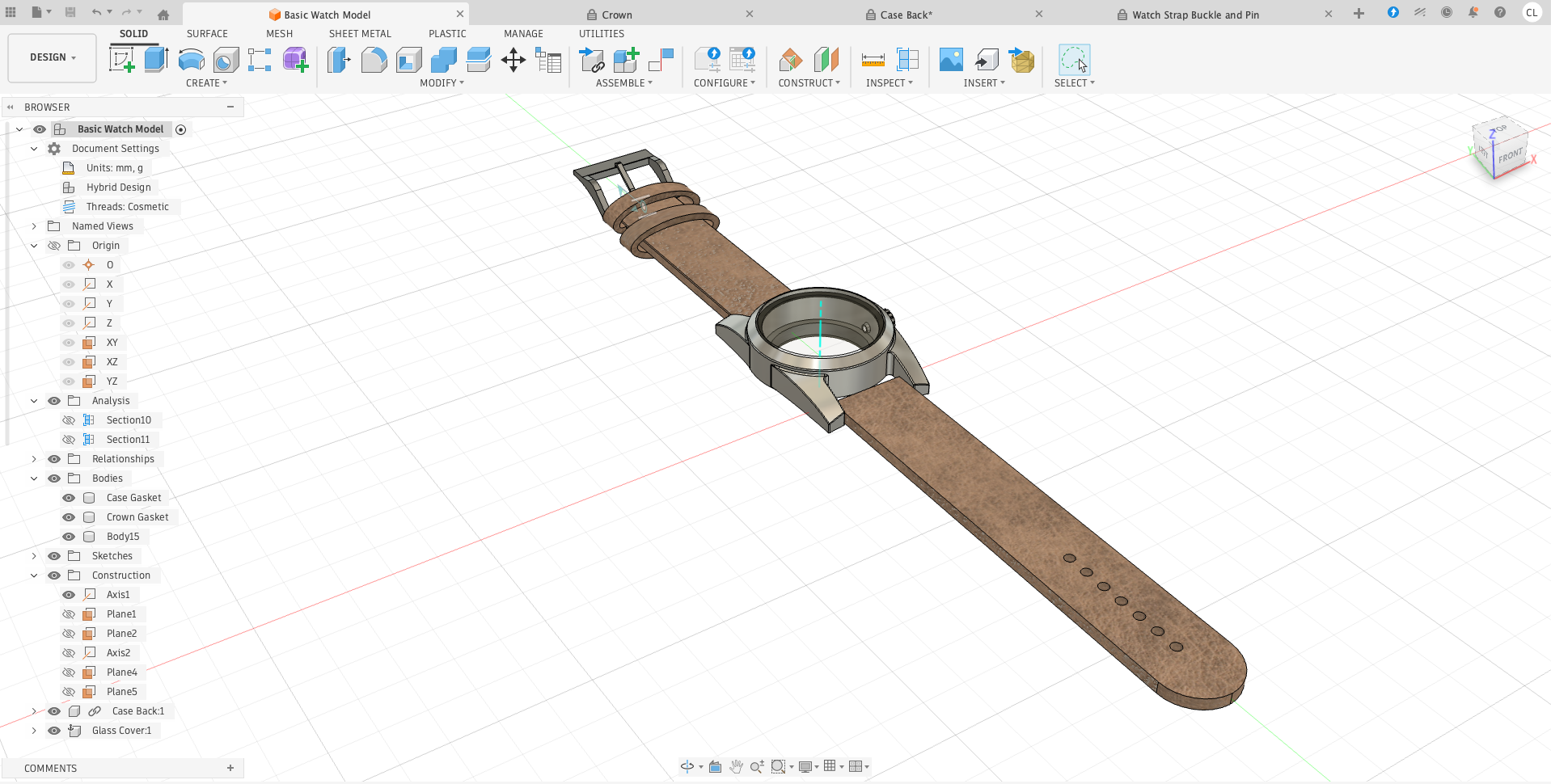
This project is a 3D model of a generic watch, designed from scratch in Autodesk Fusion 360 as a foundational exercise in CAD modeling. The model includes a fully realized watch case, dial face, and strap, built with clean geometry and accurate proportions to capture the recognizable silhouette of an everyday timepiece. The project served as an opportunity to develop core Fusion 360 skills such as sketching, extruding, filleting, and assembling multiple components into a cohesive whole. This model demonstrates a solid understanding of 3D design fundamentals and the ability to translate a real-world object into a precise digital form.
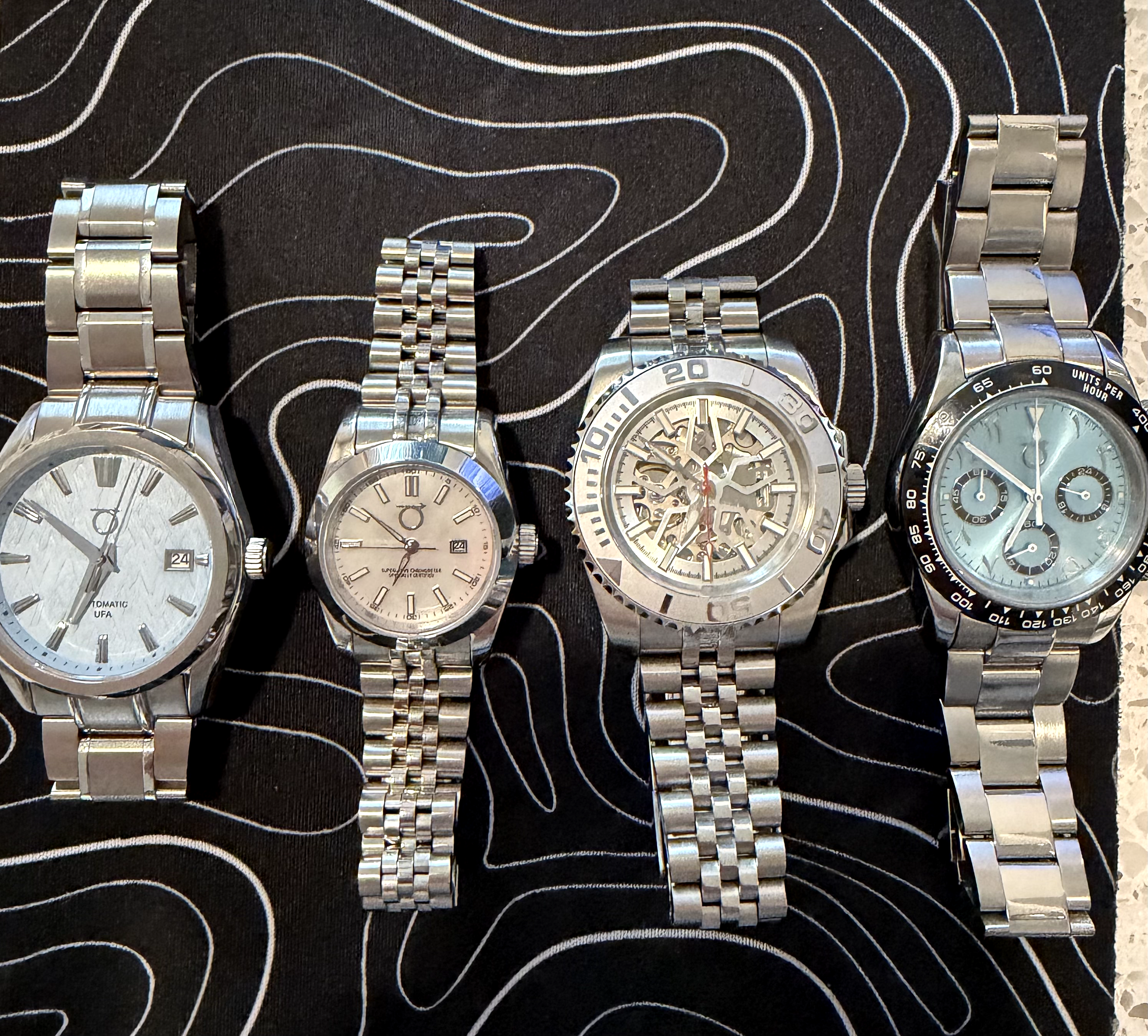
This project is a collection of custom watch builds centered around three distinct movements: the NH-35, NH-05, NH-70, and VK63. Each build explores a different corner of watchmaking, from the classic charm of an automatic movement to the satisfying, precise feel of a mecha-quartz chronograph. The process involves carefully sourcing and pairing cases, dials, hands, bezels, and bracelets to create watches that feel intentional and cohesive from every angle. The goal of this project is to showcase a passion for watches and the craft of building something that is both personal and polished.
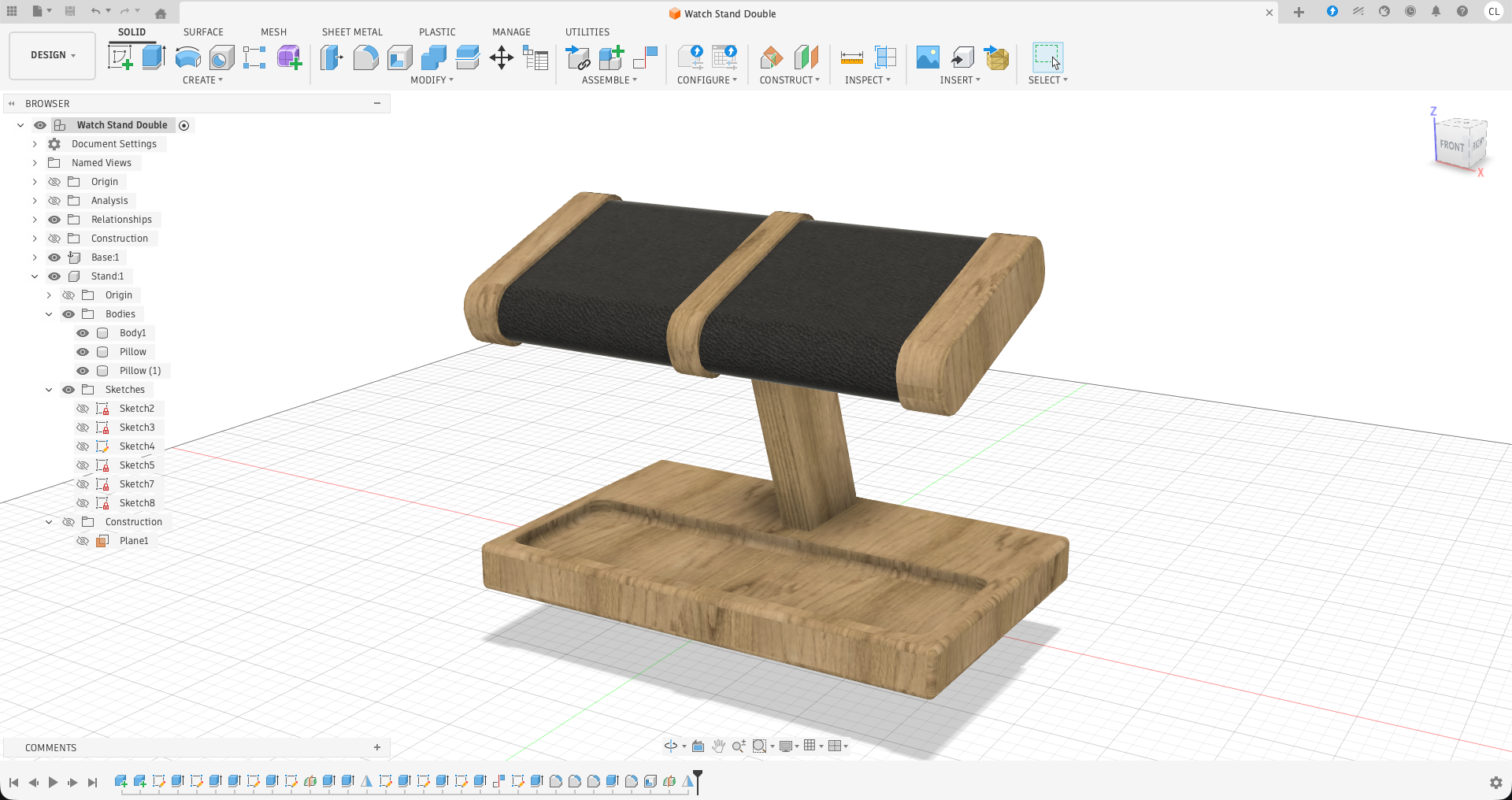
This project is a 3D CAD model of a dual watch and jewelry stand, designed and modeled in Autodesk Fusion 360 with a warm, wood-inspired aesthetic to complement both modern and classic watch collections. The stand features two raised, pillow-shaped forms that allow watch bands to drape naturally while keeping each watch face prominently displayed, integrated into the body of the stand in a clean, balanced layout. A shallow, curved dip is incorporated into the base, providing a dedicated resting spot for rings, earrings, bracelets, or other small jewelry pieces, adding everyday functionality without compromising the refined look of the design. Built with attention to organic form, smooth surface transitions, and proportional harmony, the model reflects both the technical precision of Fusion 360 and a design sensibility rooted in natural materials and practical elegance.
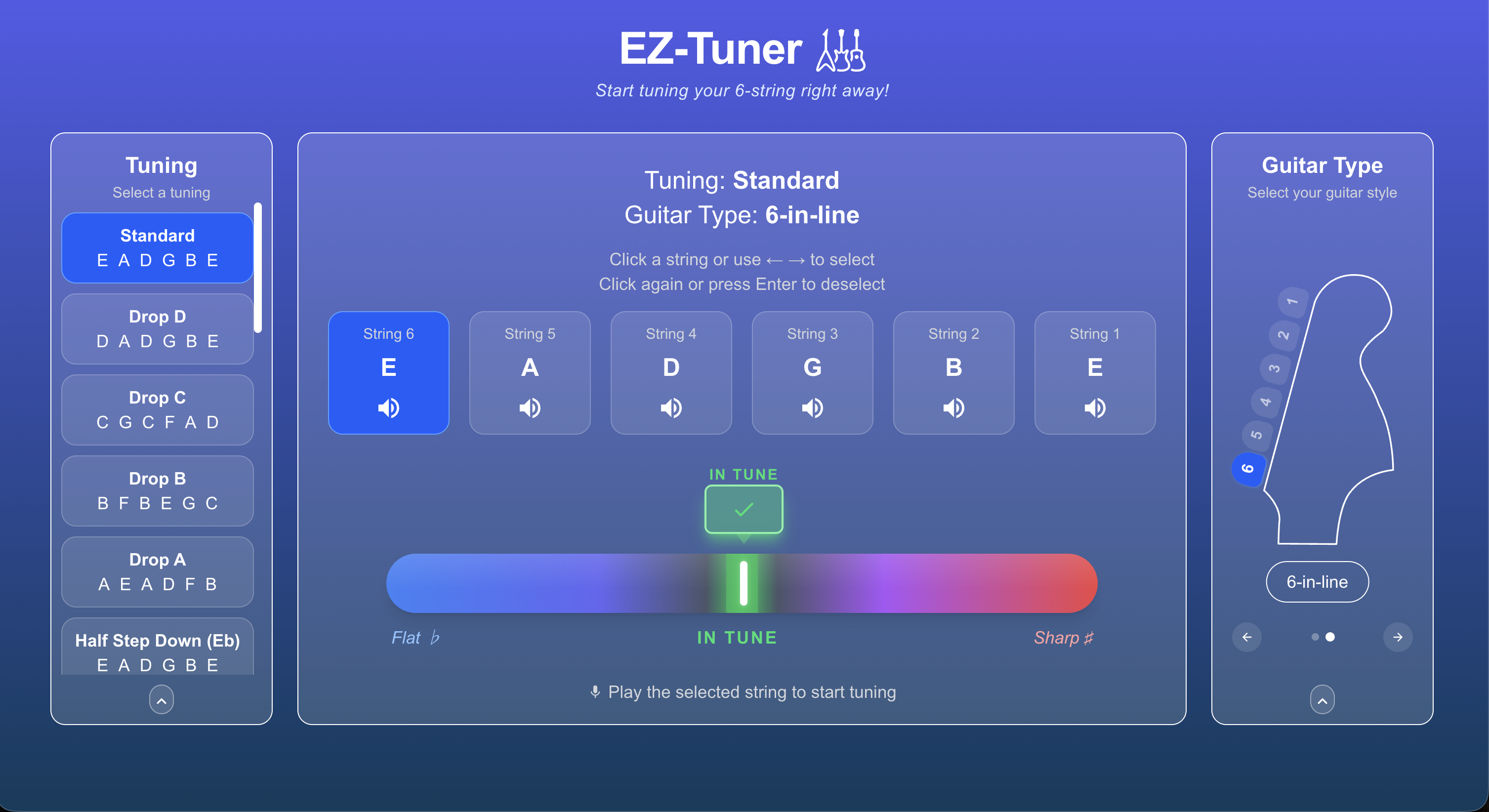
A real-time web-based guitar tuner built with Next.js, TailwindCSS, and Redux Toolkit. I began the project by designing the full UI in Figma, establishing a cohesive component system, color palette, and layout before writing a single line of code. I then architected the full application from scratch, including microphone-based pitch detection, a dynamic tuning system, and an interactive headstock UI. The app leverages the Pitchy MIT package, an auto-correlation pitch detection library, to analyze live microphone input and calculate the frequency of the note being played, comparing it against a library of 20+ tunings spanning standard, drop, open, modal, and specialty configurations. I built a Redux-persisted state system to manage selected tuning, string, and guitar style across sessions, and implemented the Web Audio API to play reference tones for each string. The UI features collapsible cards, transitions, and a real-time tuner bar with a floating indicator that displays Hz deviation and celebrates in-tune notes with a chime sound and green glow animation. Keyboard navigation allows users to cycle through strings using arrow keys, and the microphone is intelligently muted during reference tone playback to prevent feedback interference.
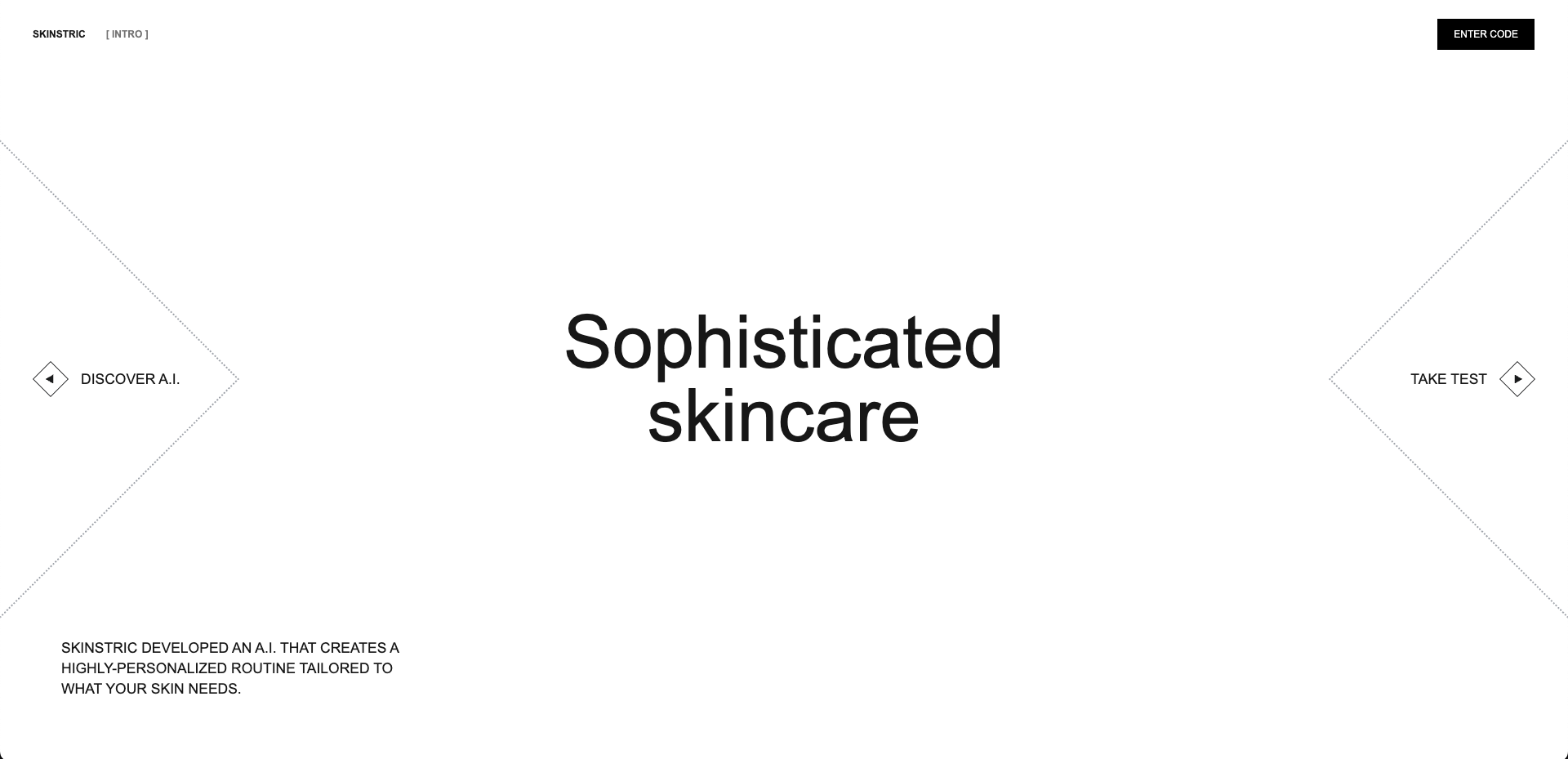
A real-time AI-powered skin analysis platform built during my internship at Skinstric, developed with Next.js, TailwindCSS, and the OpenAI Vision API. I was responsible for architecting the landing page, camera functionality, photo gallery upload, and demographic analysis features. The platform leverages OpenAI's Vision API combined with a 4D Mini model to analyze user-submitted images and deliver personalized skincare recommendations across diverse skin conditions. I implemented a fully responsive UI with GSAP-powered animations. I also designed a modular component library for skincare product displays, enabling rapid A/B testing of recommendation layouts and demonstrating proficiency in AI integration, performance optimization, and user-centric design principles.
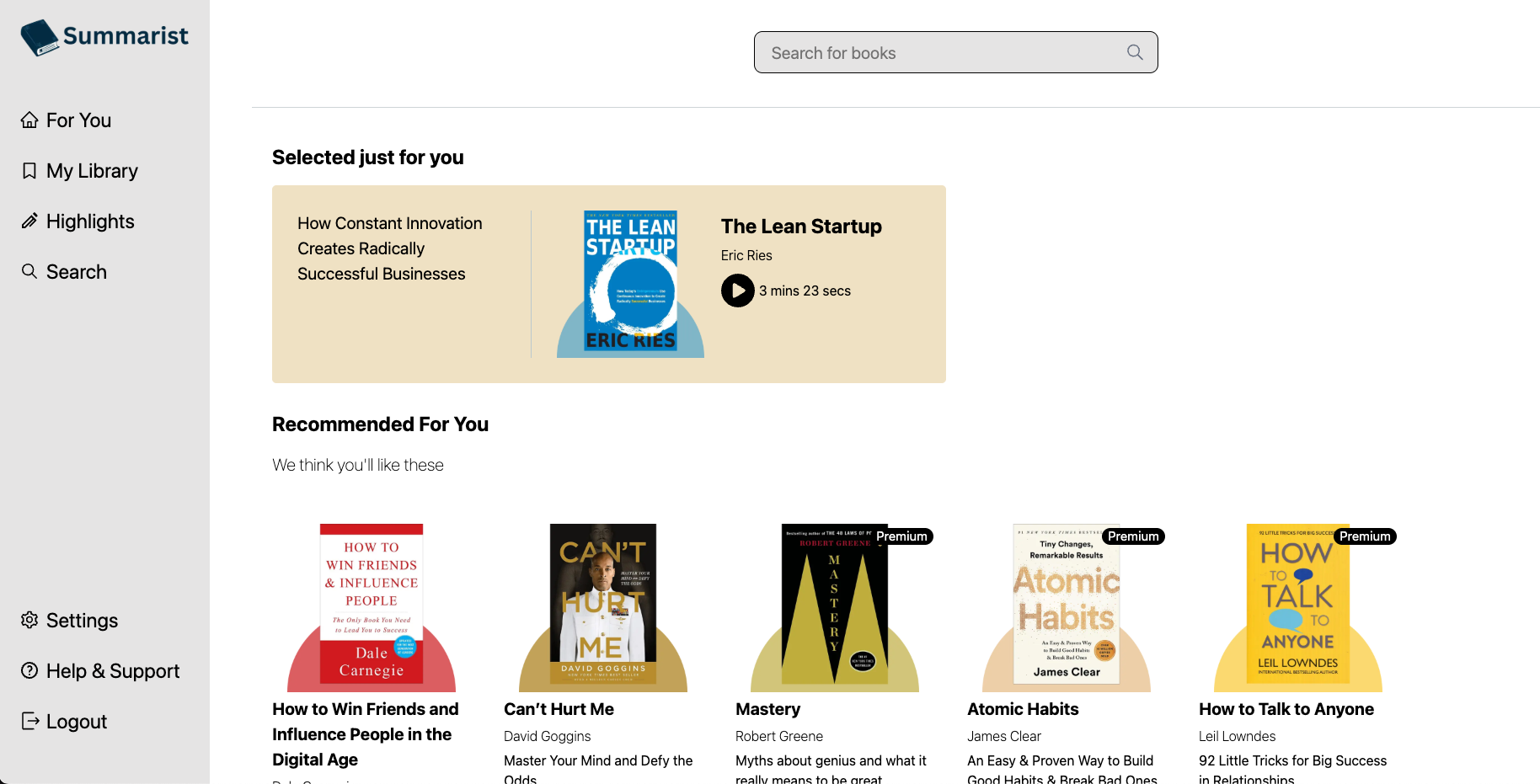
A full-stack book summary web application built with Next.js, TypeScript, and Tailwind CSS that enables users to browse curated book summaries and listen to audio narrations for efficient knowledge consumption. The platform features Firebase for database management and user authentication, Stripe API integration for secure subscription and payment processing, and Redux for predictable state management across the application. With a fully responsive design that adapts seamlessly across all devices, the application implements dynamic routing for intuitive navigation, optimized loading states for enhanced user experience, and skeleton screens to improve perceived performance during data fetching, demonstrating proficiency in modern full-stack development, third-party API integration, and user-centric design principles.
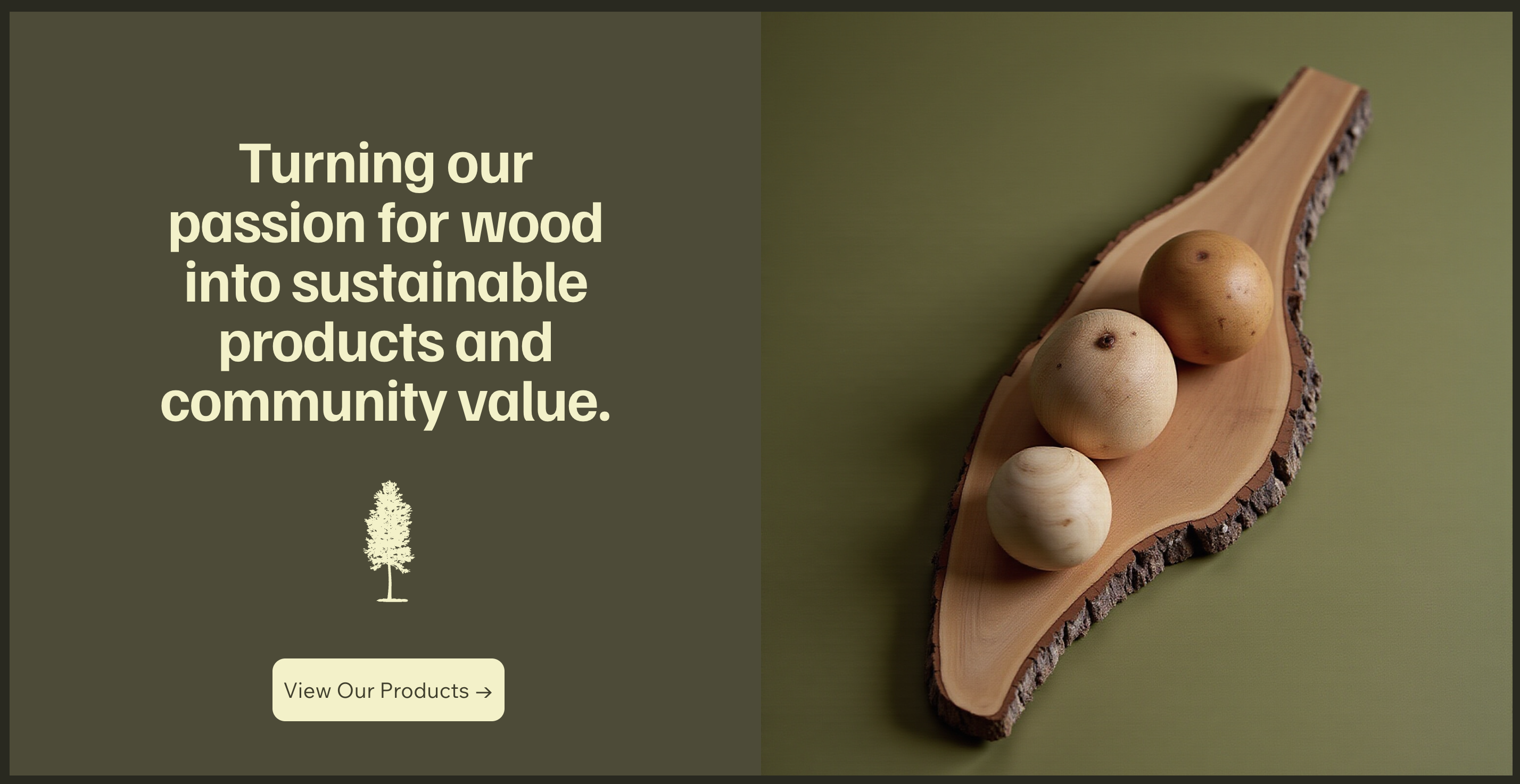
A comprehensive redesign of a wood company's Wix website, enhancing both navigation architecture and visual design. I rebuilt the header navigation system, created a customer-focused Project Showcase page, and standardized component styling including buttons, forms, and image galleries. The redesign improved site organization by consolidating project galleries, optimizing mobile responsiveness, and streamlining contact pathways. Through iterative collaboration with the client, I delivered a cleaner, more professional interface that better represents their craftsmanship and serves their customer community.
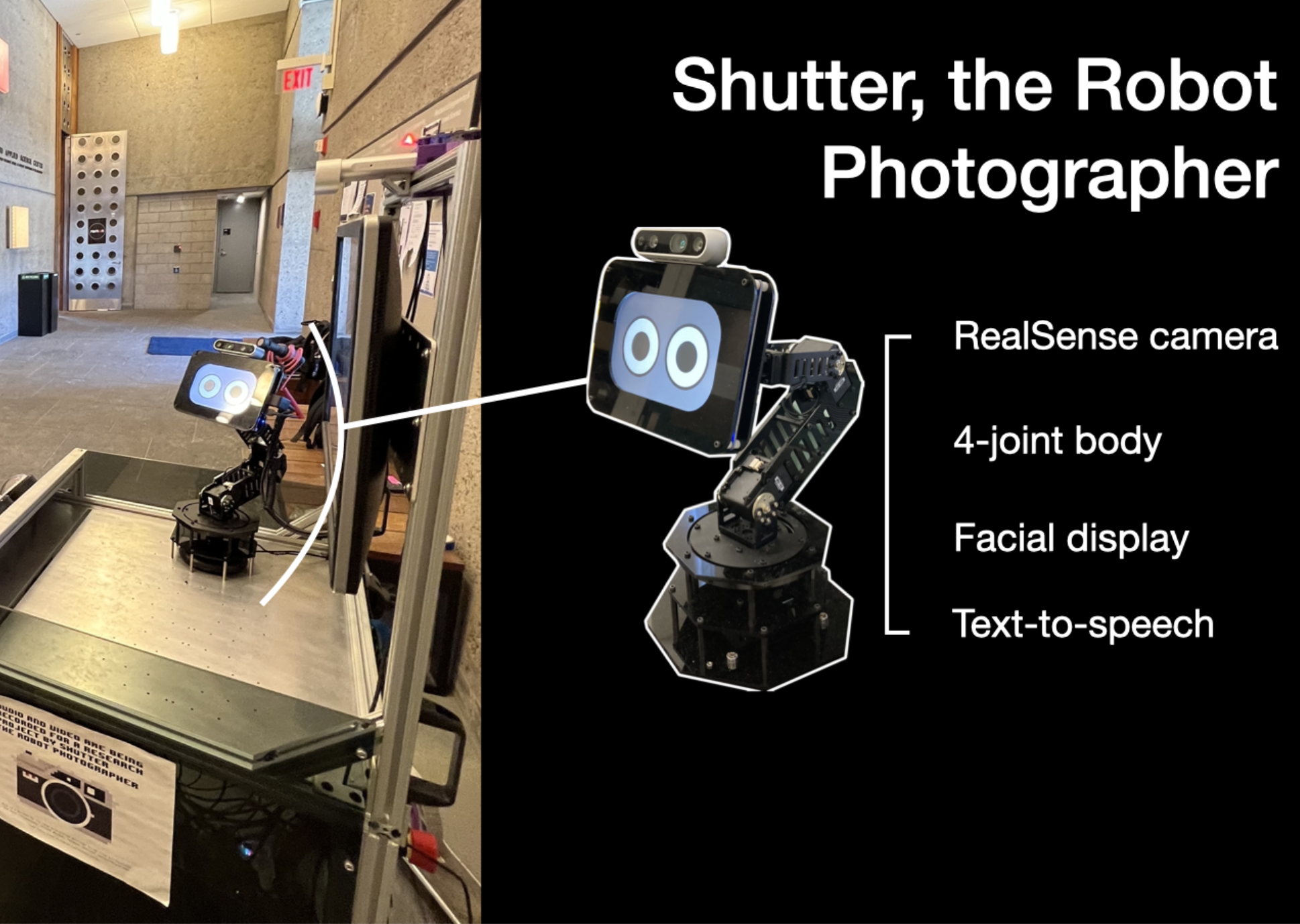
Shutter is an interactive robot photographer that allows users to direct photo framing using intuitive hand gestures. By leveraging a Kinect Azure sensor for real-time skeletal tracking, users can control a robot-mounted camera's pan, tilt, and zoom through simple hand movements (pointing left, right, up, and down). The system maps hand positions to camera adjustments, enabling users to compose shots naturally. Once the desired framing is achieved, users can trigger the shutter with a thumbs up gesture. This project enhances human-robot interaction, giving users creative control over robotic photography through natural motion.
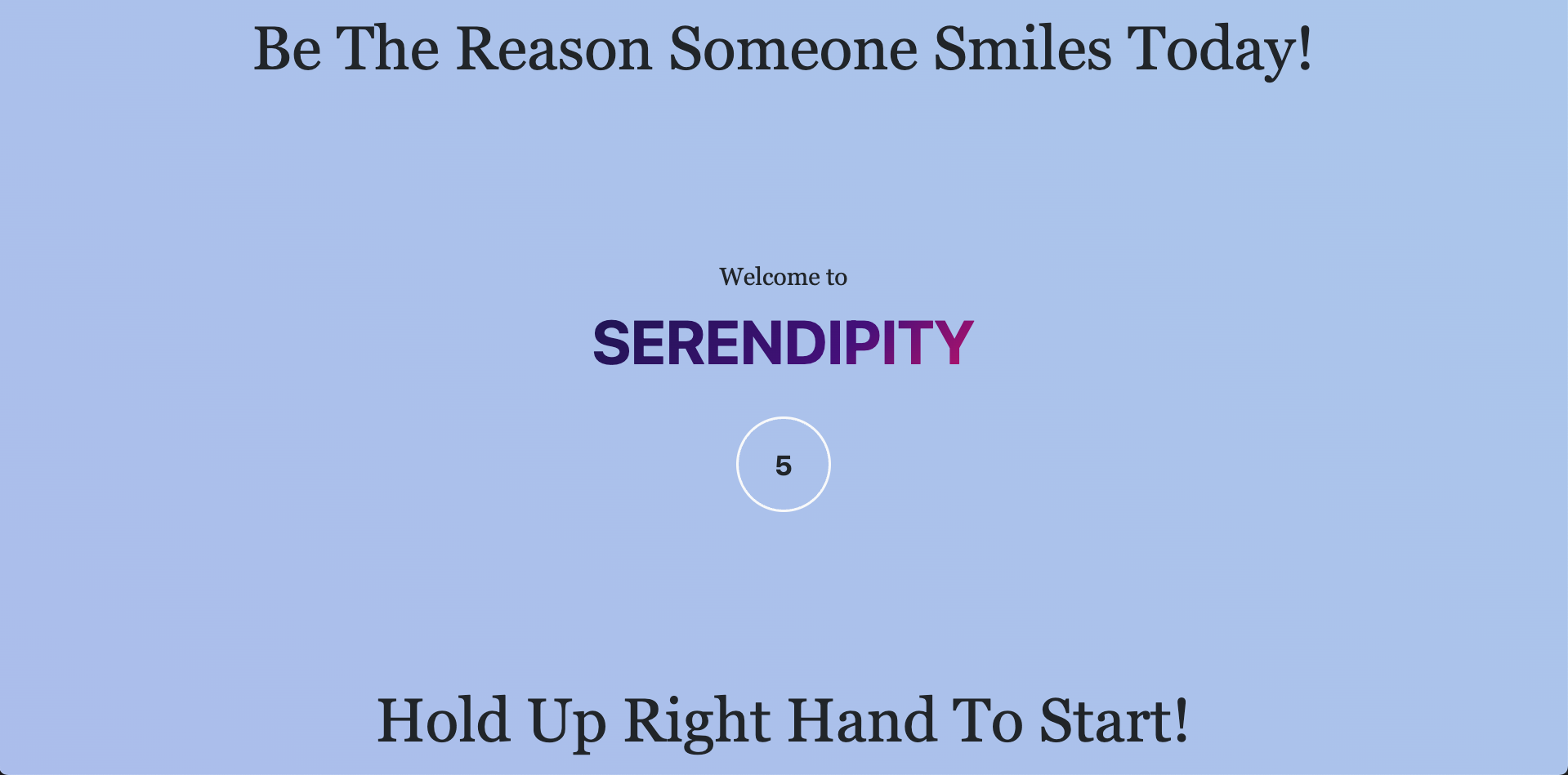
Serendipity was an interactive installation that invited the Yale community to anonymously share and receive positive messages. Using a Kinect Azure sensor, users navigated and opened one of three message cards through body movement. After reading a revealed message, they could exit or contribute their own by scanning a QR code linked to a Google Form. Serendipity aimed to spread positivity, uplift moods, and strengthen community connections through simple, meaningful interactions.
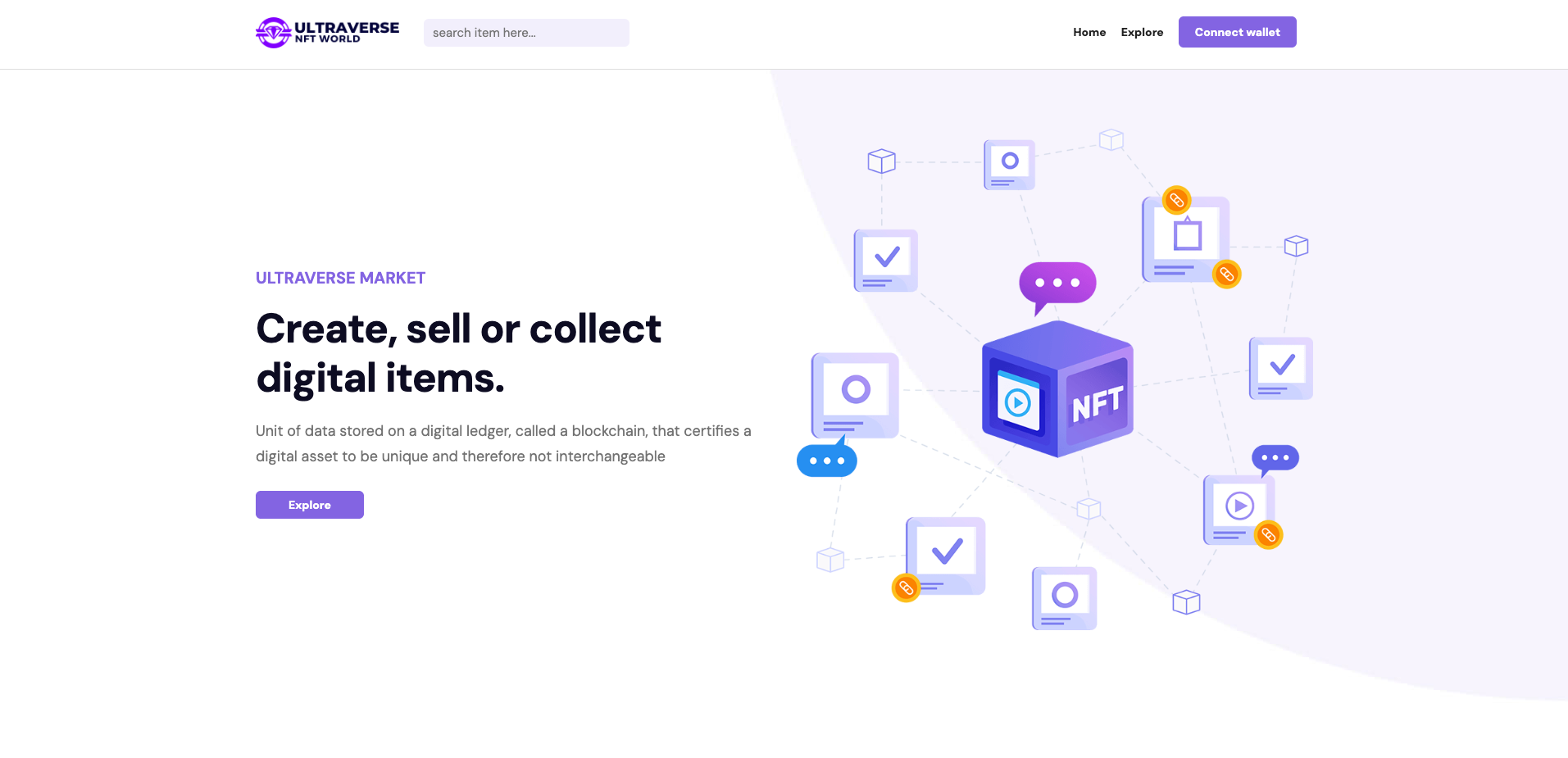
Developed a fully functional NFT marketplace as part of the Front End Simplified bootcamp internship, leveraging React to build a dynamic and engaging user interface. Implemented industry-standard best practices for API integration to efficiently fetch and display NFT data, while enhancing the user experience through AOS (Animate On Scroll) animations that brought visual depth to the platform. Addressed potential UX pain points by incorporating skeleton loading states during data fetching, significantly reducing perceived load times and maintaining user engagement. Utilized Git for version control throughout the development process, demonstrating professional workflow management and collaborative development practices essential for modern frontend engineering.
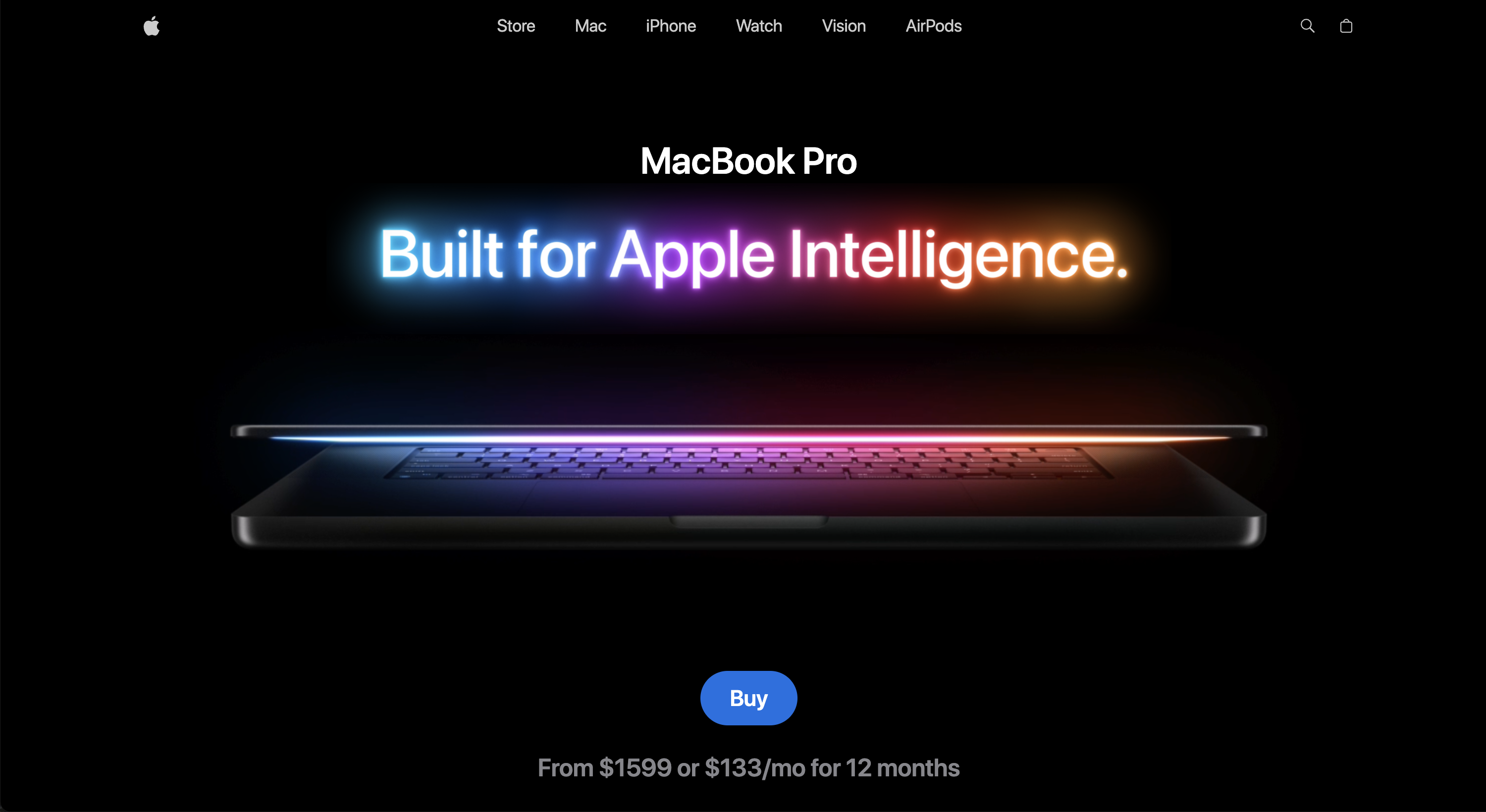
Developed Apple's MacBook retail landing page, featuring immersive 3D product visualizations and cinematic scroll animations. Integrated Three.js for interactive 3D MacBook scenes, GSAP for smooth scroll-driven animations, and Tailwind CSS for responsive layouts. Implemented advanced frontend techniques including scroll-triggered effects and performance-optimized rendering to create an engaging, visually stunning product showcase. This project strengthened my skills in 3D web graphics, animation choreography, and building polished, performance-conscious landing pages.
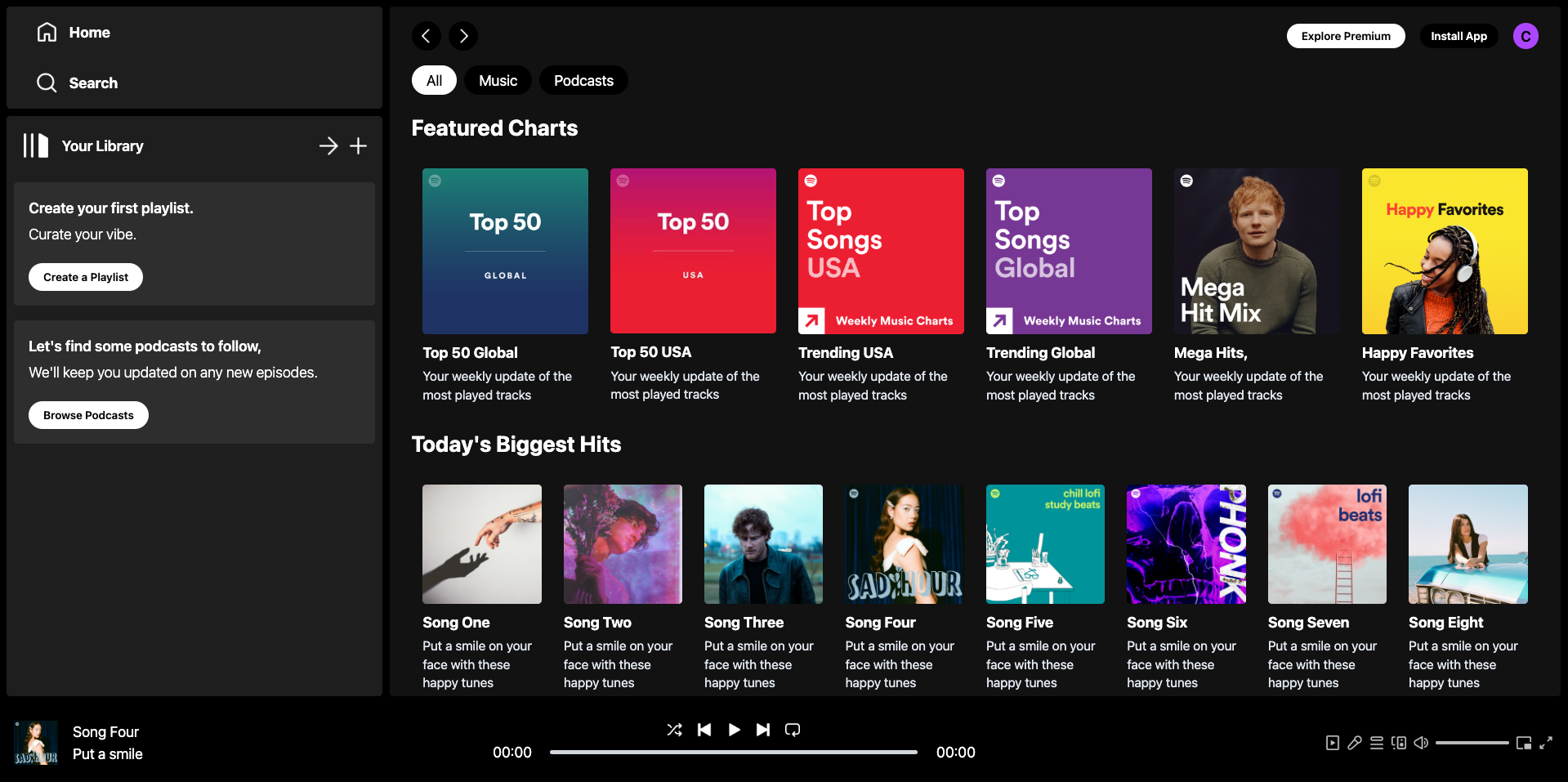
Built a music streaming application inspired by Spotify to practice modern React development patterns. Implemented full playback controls with play/pause/seek functionality, album browsing, and dynamic audio management using React Context API for global state. Designed a responsive UI with Tailwind CSS featuring interactive navigation and seamless track transitions. This project strengthened my understanding of component architecture, state management patterns, and audio API integration while building a polished, user-friendly interface.
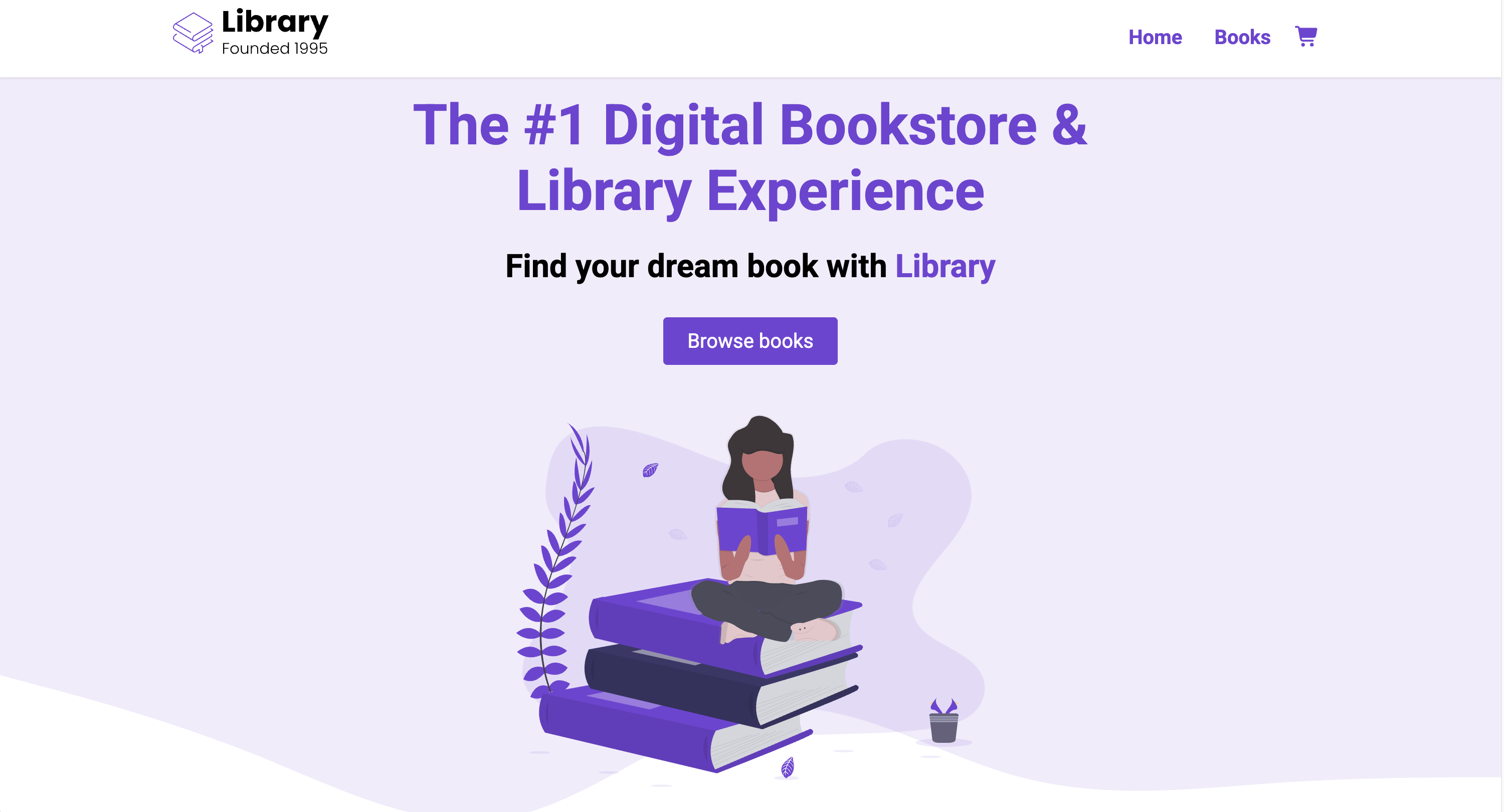
A responsive React e-commerce application that allows users to browse books, filter and sort by criteria, and manage a shopping cart. Built with React Router for seamless navigation and integrates with a JSON database to fetch book data dynamically with optimized loading states.